.svg)


Supporting biblical passage: John 14:1–6 and Matthew 25:1–13
In Luke 12:42–48, Jesus speaks about a servant whom the master entrusts with the responsibility of caring for his household while he is away. This servant is expected to remain faithful and give the household its food at the proper time. The master’s absence does not remove the servant’s responsibility; rather, it reveals whether the servant is truly faithful.
This speaks powerfully to everyone entrusted with leadership and ministry in God's Church. God has entrusted His people to us, but they remain His people, not ours. We are servants and shepherds, not owners. We are expected to care for God's flock according to the Master's will with truth, compassion, love, justice, and humility.
Jesus describes two kinds of servants. (1) The faithful servant continues to care for the master's household even when the master is absent. He does not forget his responsibility or use his position for personal benefit. (2) The unfaithful servant, however, thinks that the master is delayed and begins to mistreat those entrusted to him. Instead of caring for the flock, he begins to care for himself.
This is a serious warning to Christian leaders today. While many servants of God continue to serve faithfully, we must recognize that some leaders may pursue personal interests and ambitions, misuse their positions, mislead God's people, or fail to provide the spiritual care the flock needs. When this happens, God's people may become spiritually weak and lose their direction.
Yet Jesus reminds us that the Master will return. His apparent absence is not permanent. In John 14:1–6, Jesus promises that He has gone to prepare a place for His people and will come again. Therefore, while we wait for Him, we must faithfully fulfil the responsibilities He has entrusted to us.
God's people need spiritual food and water. As servants, we must continually draw from the Holy Bible through prayer, study, meditation, and obedience so that we can provide God's people with sound spiritual nourishment and help them grow toward maturity. We cannot faithfully feed others if we are not ourselves being nourished by God's Word.
Luke 12:48 gives us a sobering principle: “From everyone who has been given much, much will be demanded.” One day, each of us will give an account to the Master for how we have cared for His redeemed people. The important question is therefore not whether others are faithful, but: “Am I faithful? What will Jesus find me doing when He returns?”
Let us examine ourselves. Are we feeding God's people or neglecting them? Are we protecting them or exploiting them? Are we serving Christ or ourselves? Are we leading people toward Jesus or toward our own ambitions?
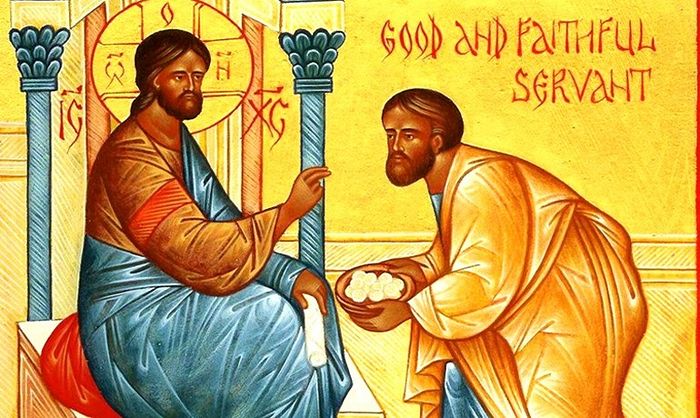
Matthew 25:1–13 reminds us to remain ready for the Bridegroom's coming. The Master is coming back. May He find us faithful, serving His people with truth, compassion, humility, and love. May we remain faithful until the end and hear the Master's joyful words: “Well done, good and faithful servant.”
Prayer
Lord Jesus, make us faithful servants. Give us wisdom, humility, compassion, and courage to care for your people according to Your Word. Help us feed them with spiritual truth and lead them toward maturity. Keep us watchful and faithful as we await your return. May you find us faithfully doing what You entrusted us to do. Amen.
Bishop Pontien Ribakare
Diocese of Rutana, Burundi