.svg)


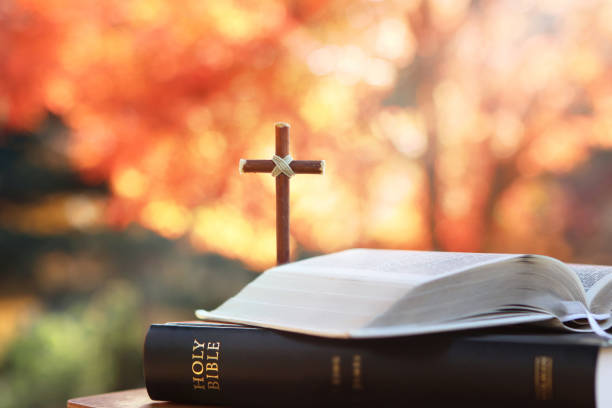
In Isaiah 55: 10-13, the prophet illustrates the unstoppable, life-giving power of God’s Word to redeem and restore. Just as rain and snow fall to water the earth and guarantee a harvest, God’s promises never return empty; they actively accomplish spiritual transformation, replacing sorrow and desolation with eternal joy, peace, and fruitfulness.
Isaiah begins by comparing the Word of God to the natural cycle of precipitation. Rain and snow come down from heaven and do not return until they have nourished the earth, providing bread for the eater and seed for the sower. Similarly, the Word that goes forth from God’s mouth carries inherent power to achieve exactly what He intends. It will not return "void" (empty), ensuring that God's plan for salvation and restoration is fully realized. Isaiah therefore looks backward to the life-giving and creative power of the Word of God in the creation and forward to the life-giving and creative power of the Word of God in the incarnation, declaring with confidence that God’s Word is efficacious. Isaiah looked backward to the life that God’s Word accomplished in creation, so that He might look forward with hope to what that Word would do when it became flesh.
The Incarnate Word (the eternal Son of God made flesh) which proceeds from God will not return empty, will certainly accomplish the good pleasure of Yahweh, and will certainly succeed in the purpose for which He was sent. While Isaiah is subtle, Jesus is explicit: The Incarnate Word will fulfill the covenant of redemption. That pactum salutis, that covenant of salvation between Father and Son, between Mouth and Word, will be accomplished. And so as He hung upon the cross, blood and water falling upon the earth like rain and snow, the Incarnate Word did not return void. The Incarnate Word accomplished the Father’s good pleasure. The Incarnate Word succeeded in the matter for which Yahweh sent Him. It is finished. The Incarnate Word of God has done it. And just as the Incarnate Word accomplishes God’s purpose for Him, so also the written Word left to us by the Incarnate Word also accomplishes God’s purpose in us. The Incarnate Word (the eternal Son of God made flesh) is the foundation of Christian theology. Through His earthly life, sacrificial death, and resurrection, He provided the ultimate atonement for sin, reconciling humanity to God and securing eternal salvation for us. As the Living Word (the Logos), Jesus fulfilled Old Testament prophecies, perfectly embodying the grace and truth of God.
Beloved in Christ, understand that just as the Father sent the Son into the world as the Word, so the Son sends us into the world with the Word, and take the commission seriously. Proclaim the Word to your friends and family, neighbors and coworkers, in season and out of season, believing and trusting and knowing that as sure as the rain and snow fall upon the earth and yield fruit, so also the Word that proceeds from God’s mouth, through your mouth, will fall upon the earth and yield fruit. The Word of God works. It worked in creation, it worked at the cross, it will work into eternity, and it works in our lives now.
Almighty Father, we praise you, for your Word is efficacious. It works. Just as it worked to bring the world into existence, just as it worked to bring salvation to your people, just as it works now to mold us into the likeness of the Incarnate Word, we trust that it will work again to bring about the joy and peace and gladness and rest of the new creation. May we walk now as messengers, dispatched with the life-giving Word. May we sprinkle it upon the ground like rain and snow, so that it might bear fruit in our world.
May we go out with joy and be led forth with peace. Amen!!!
Rev. Fr. James Owusu-Kwarteng (Ph.D.)
Anglican Diocese of Sunyani, Ghana.